

Choosing an eyewear supplier is a commercial decision, not just a price comparison. The right partner should make your wholesale program easier to forecast, inspect and scale. This guide explains a repeatable process for comparing suppliers before you place a purchase order.
1. Define the buying brief before requesting quotes
Write down the frame type, materials, lens options, target market, estimated quantity, packaging, logo requirements and delivery destination. Ask every supplier to quote against the same brief. Comparable specifications reveal the real difference between offers and prevent a low initial price from hiding missing services.
2. Evaluate product capability and samples
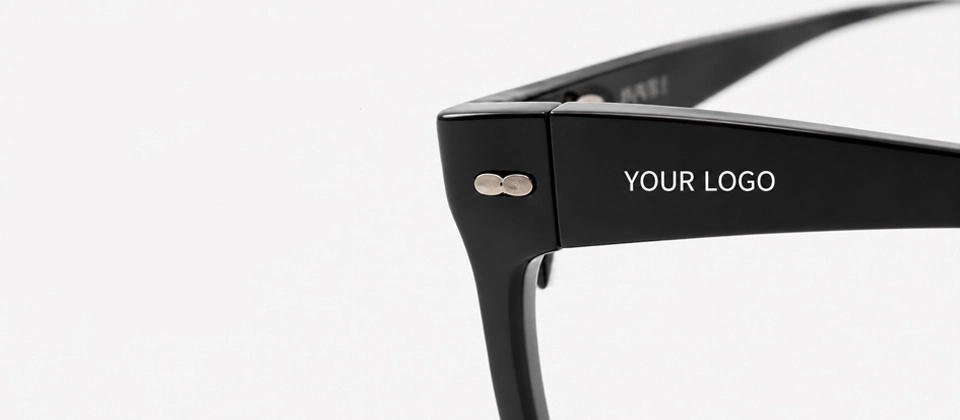
Request representative samples and, for custom programs, an approval sample made to the intended specification. Check frame dimensions, symmetry, hinge action, surface finish, lens fit, logo placement and packaging. A supplier should explain which details are standard, which are configurable and which require a new tooling or development fee.
3. Compare MOQ, pricing and total landed cost
MOQ is only one part of the commercial offer. Compare unit price, sample charges, tooling, logo setup, packaging, freight, duties and payment terms. Ask whether MOQ applies per style, per color or per lens option. A clear quotation should state inclusions, exclusions and the validity period.
4. Test lead time and production planning
Separate sample lead time from bulk production lead time. Confirm when the clock starts, what approval milestone is required and how the supplier handles material availability. Ask for a written production schedule with inspection and dispatch dates. Reliable suppliers communicate early if a component or finish could affect delivery.
5. Verify quality control and compliance
Ask for the inspection checklist, acceptable quality limits, material records and relevant market compliance documents. Confirm how incoming materials, in-process assembly and final packing are checked. For eyewear, discuss lens power or optical specifications where applicable, frame dimensions, coating consistency, hinge durability and carton labeling.
6. Review communication and after-sales support
During the quotation stage, measure response quality as well as speed. Can the supplier answer technical questions, share clear photos, provide revision records and identify a responsible contact? Agree how defects, shortages and replacement parts will be handled before the purchase order is signed.
7. Use a weighted supplier scorecard
Score each supplier against capability, sample quality, total cost, MOQ flexibility, lead time, quality system, compliance evidence and communication. Weight the factors that matter most to your channel. A slightly higher unit price may be the better commercial choice when it reduces rework, delays and customer returns.
Wholesale buyer's final checklist
- Specifications and approved sample are documented.
- MOQ is confirmed by style, color and option.
- Sample and bulk lead times are written into the quotation.
- Inspection method, tolerance and defect handling are agreed.
- Packaging, labeling, shipping terms and payment milestones are clear.
- One accountable contact owns updates through delivery.
Conclusion
Compare eyewear suppliers with the same brief, verify claims with samples and evidence, and evaluate the full cost and risk of the order. This process gives buyers a practical basis for choosing a supplier that can support consistent wholesale growth.
