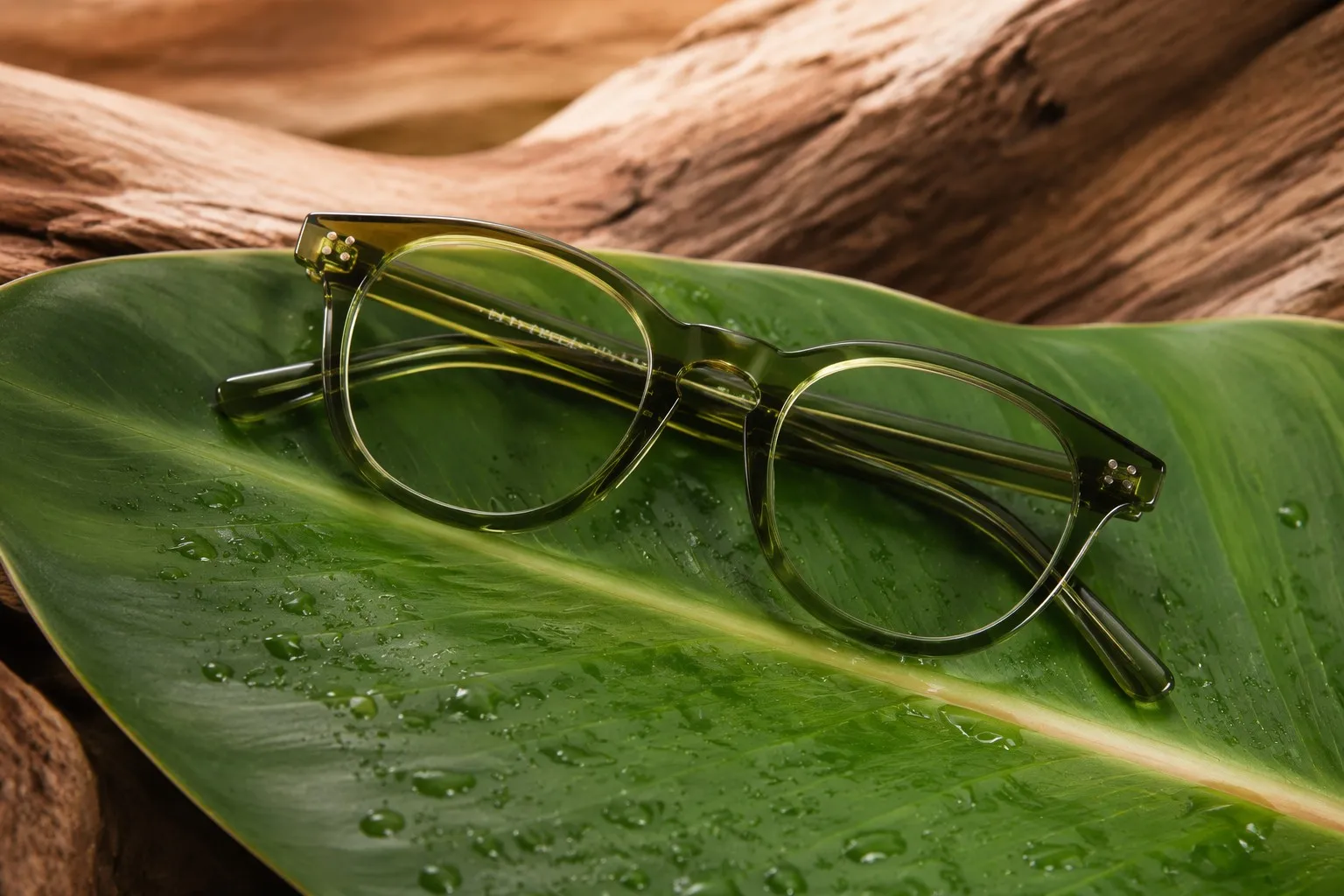
As environmental consciousness grows worldwide, the eyewear industry is undergoing a major shift. For years, traditional acetate has been the standard for high-quality frames. However, 2026 marks the definitive rise of Biodegradable Acetate, a material that offers the same luxury feel without the long-term environmental footprint.
Biodegradable acetate is a plant-based plastic derived from wood pulp and cotton fibers. Unlike conventional acetate, which uses plasticizers that can take decades or centuries to decompose, biodegradable versions (such as the renowned Mazzucchelli M49) are engineered to break down in soil or water within a fraction of the time.
The manufacturing process for biodegradable acetate often involves fewer harsh chemicals and lower energy consumption. By choosing these frames, brands and consumers alike are contributing to a more sustainable circular economy.
One of the best things about biodegradable acetate is that you don’t have to sacrifice style or durability. It maintains the same deep colors, translucent textures, and hypoallergenic properties as premium traditional acetate. It is smooth to the touch, lightweight, and incredibly comfortable for all-day wear.
Today’s B2B and B2C buyers are actively looking for “Green” certifications. Offering eco-friendly options isn’t just a trend—it’s a competitive advantage in the Western markets where sustainability is a top purchasing factor.
In the world of high-end eyewear, Mazzucchelli M49 stands as the gold standard for bio-based materials. It is 100% biodegradable and compostable, making it a favorite for designer brands that prioritize ethical manufacturing.
The future of eyewear is clear, and it’s green. Biodegradable acetate represents the perfect blend of traditional craftsmanship and modern ecological responsibility.
Ready to transition to a greener collection? Explore our latest Biodegradable Acetate series at Ajaoptical today!


